
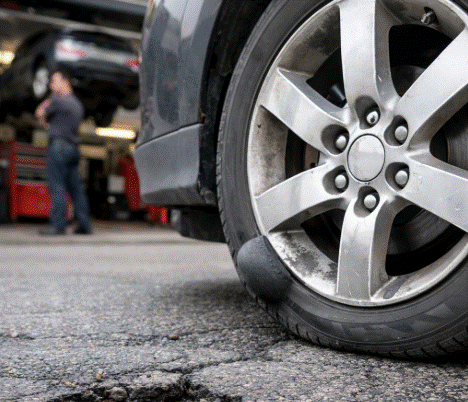
Hitting a pothole can feel like a small moment, but sometimes it causes bigger problems than drivers expect. One hard impact can affect your tires, throw off your alignment, or put stress on suspension parts that were already worn. Even if the vehicle seems fine at first, the damage can show up later in ways that are easy to miss.
That is why it helps to know what to watch for after driving over rough roads. Catching pothole damage early can prevent more expensive repairs and help keep your vehicle safer to drive.
Why Potholes Cause So Much Trouble
Potholes create a sudden, sharp impact between the road and your wheels. Unlike normal driving, where the suspension has time to absorb bumps gradually, a deep pothole forces the tire and wheel to take a hard hit all at once. That shock can affect several parts of the vehicle at the same time.
The most common issues involve the tires, wheels, alignment, and suspension system. In some cases, the damage is obvious right away. In others, it develops slowly as parts wear unevenly after the impact.
Signs Your Alignment May Be Off
One of the first things drivers notice after hitting a pothole is a change in how the vehicle tracks on the road. If the steering wheel no longer feels centered, or the car starts drifting to one side, the alignment may be off.
Here are a few common signs of alignment trouble:
- The vehicle pulls left or right while driving
- The steering wheel looks crooked when going straight
- You notice uneven tire wear
- The handling feels less stable than usual
Alignment problems matter because they affect more than steering feel. Poor alignment can cause tires to wear out faster, reduce fuel efficiency, and make the vehicle harder to control. It may seem minor at first, but it usually gets worse if ignored.
Suspension Warning Signs to Watch For
Pothole impacts can also damage suspension parts such as shocks, struts, control arms, bushings, or ball joints. These parts help keep the tires in contact with the road and support a smooth, controlled ride.
If the suspension has been affected, you may notice:
- Clunking or knocking noises after the impact
- A rougher or bouncier ride
- Vibrations in the steering wheel
- The vehicle dipping more when braking
- One corner of the vehicle sitting lower than the others
Sometimes the signs are subtle. Maybe the vehicle just does not feel quite right anymore. That feeling is worth paying attention to. Suspension issues often start small, then turn into bigger handling and safety concerns over time.
Check the Tires and Wheels Too
Tires and wheels usually take the first hit, so they should be inspected carefully after a pothole impact. A damaged tire may show a bulge in the sidewall, cuts, or a slow air leak. A bent wheel can cause shaking, poor balance, or trouble holding air pressure.
Look for these signs:
- Low tire pressure soon after the impact
- A bulge on the tire sidewall
- Visible cracks or damage on the wheel
- New vibrations at highway speeds
Even a small bend in the wheel can create ongoing problems. It may not be dramatic, but you will probably feel it while driving.
When to Get the Vehicle Checked
A quick inspection makes sense if you hit a pothole hard enough to feel a sharp jolt, hear a loud bang, or notice any change in how the vehicle drives afterward. Alignment and suspension checks are especially important if the steering feels off, the ride becomes rough, or unusual noises start appearing.
It is also smart to have the vehicle inspected if:
- The tire loses pressure after the impact
- You see visible damage to the tire or wheel
- The vehicle pulls to one side
- The steering wheel shakes or feels unstable
Waiting too long can lead to more wear on tires and suspension parts. In some cases, what starts as a small alignment issue can turn into a larger repair bill.
Final Thoughts
Potholes may seem like a normal part of driving, but the damage they cause should not be brushed off. Problems with alignment and suspension do not always show up right away, which is part of what makes them easy to overlook.
If your vehicle starts pulling, bouncing, vibrating, or making new noises after hitting a pothole, it is worth taking seriously. A timely check can protect your tires, improve your handling, and help you avoid more expensive repairs later.
This post was written by a professional at Tires2Go Florida. Tires2Go Florida is a trusted automotive service center located in Pinellas Park, Florida, serving drivers across St. Petersburg, Tampa, Clearwater, and Largo. Our certified mechanics handle auto repair Pinellas Park FL, tire and wheel replacement, brake service, suspension repairs, oil changes, wheel alignments, tire balancing, and road force balancing. We also specialize in ADAS calibration, suspension modifications, lift kits, and lowering kits using quality parts and modern diagnostic equipment. From routine maintenance to advanced automotive services, Tires2Go Florida provides dependable solutions and tires for sale for vehicles throughout the Tampa Bay area.