
Introduction
Modern engine performance is not created by one impressive component working alone. It comes from the controlled relationship between airflow, fuel delivery, heat management, exhaust energy, and electronic or mechanical timing. A turbocharger sits directly inside that relationship because it uses exhaust flow to increase the amount of air entering the engine. More air can support more efficient combustion, stronger torque, and better power from a smaller or more efficient engine package.
Yet turbochargers are not all designed the same way. The shape of the housing, the path of exhaust gases, turbine sizing, bearing design, and scroll layout all influence how quickly boost builds and how smoothly power arrives. For drivers, technicians, and diesel enthusiasts, understanding scroll design helps explain why some turbocharged engines feel sharp and responsive while others feel delayed before power arrives. The difference is not magic. It is airflow architecture doing its quiet mechanical arithmetic.
Why Turbo Response Matters
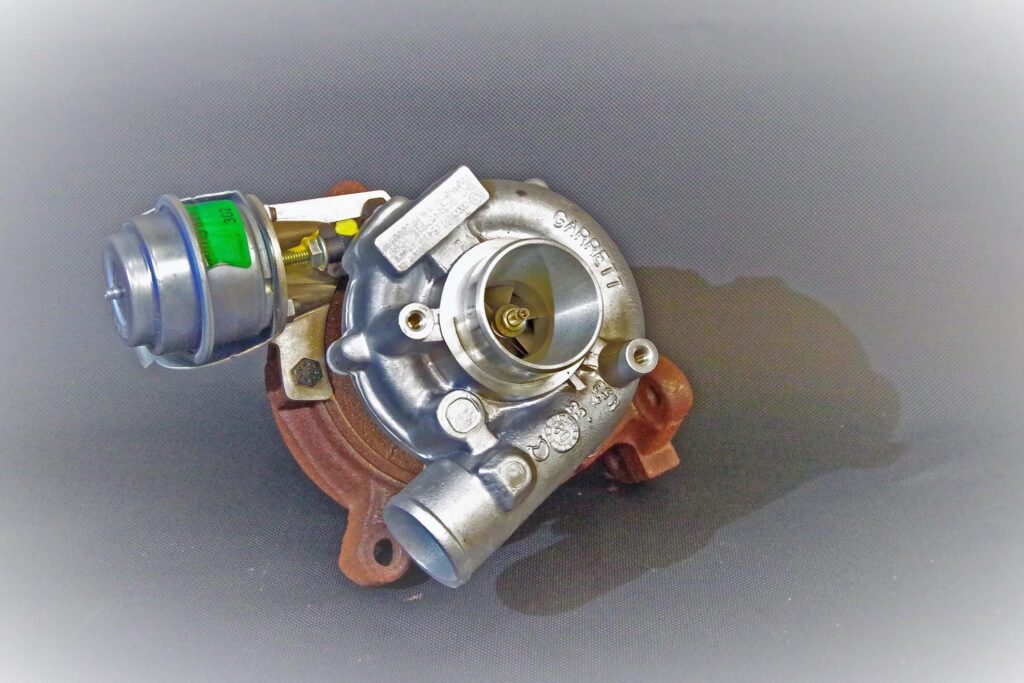
A turbocharger works by capturing exhaust energy that would otherwise leave through the tailpipe. Exhaust gases spin a turbine, which drives a compressor that pushes more air into the engine. This extra air allows the engine to burn fuel more effectively and produce greater output. The challenge is timing. A turbo needs enough exhaust energy to build speed, and until that happens, the engine may feel less responsive.
This delay is often called turbo lag. In practical driving, lag can make a vehicle feel slow to respond when the driver presses the throttle. For diesel engines, work trucks, towing vehicles, and performance cars, response matters because power needs to arrive at the right moment, not after the opportunity has already wandered off wearing muddy boots. Better turbo design aims to make boost arrive earlier, smoother, and more predictably.
Cooling, Heat, and the Engine System Around the Turbo
Turbochargers operate in hot and demanding conditions, so the surrounding engine systems must be healthy. Cooling system performance, oil quality, exhaust routing, intake cleanliness, and fuel delivery all influence how well a turbocharged engine performs over time. A thermostat may seem unrelated to boost, but engine temperature control affects combustion efficiency, oil behavior, and long-term reliability.
A clear explanation of how an engine thermostat works shows why temperature regulation is central to engine health. A turbocharged engine that runs too hot, too cold, or inconsistently may suffer from poor efficiency, oil stress, increased wear, or unstable performance. The turbo may get the spotlight, but the cooling system keeps the stage from catching fire.
Why Scroll Design Changes Turbo Behavior
When comparing turbocharged engine setups, drivers often focus on boost pressure, horsepower, or turbo size, but the path exhaust gases take before reaching the turbine is just as important. A deeper look at turbocharger scroll design helps explain why separating exhaust pulses can improve energy flow, reduce interference, and support quicker turbine response. This matters for diesel vehicles, performance engines, and repair education because the way a turbo manages exhaust energy can shape low-end torque, acceleration feel, and overall drivability.
Single-Scroll and Twin-Scroll Differences
A single-scroll turbo uses one shared exhaust passage into the turbine housing. This design can be simple and effective, especially when matched correctly to the engine. However, exhaust pulses from different cylinders may interfere with one another before reaching the turbine. That interference can reduce pulse energy and slow response, especially at lower engine speeds.
A twin-scroll turbo separates exhaust flow into two channels. When paired with the right exhaust manifold design and firing order, this separation helps keep exhaust pulses more organized. The turbine receives stronger, cleaner pulses, which can improve spool speed and low-rpm response. The engine may feel more alert during normal driving, towing, climbing, or accelerating out of corners. The result is not simply more power; it is power arriving with better manners.
Why Exhaust Pulse Separation Helps
Exhaust gases do not move as one smooth stream. They arrive in pulses as each cylinder completes its exhaust stroke. If those pulses collide or interfere with one another, some of their useful energy is lost before reaching the turbine. Twin-scroll design helps preserve that energy by directing certain cylinders into separate scrolls.
This allows the turbine to use exhaust energy more efficiently. In real use, that can mean quicker boost, stronger low-speed torque, and less hesitation. For diesel engines that need pulling power at lower rpm, this is especially valuable. For performance engines, it can make throttle response feel sharper and more connected. Scroll design is one of those hidden details that changes the personality of the whole engine.
Fuel Delivery Still Decides Combustion Quality
A turbocharger improves airflow, but air alone does not create reliable power. The fuel system must deliver the correct amount of fuel at the correct time. If injectors are dirty, mismatched, worn, or poorly controlled, the engine may not use the extra air properly. It may smoke, hesitate, run unevenly, or fail to produce the expected performance.
A technical discussion of modern fuel injector technology helps show why injector sizing, spray behavior, and control strategy are so important in performance and efficiency. Turbocharged engines depend on that precision because boost changes the amount of air available for combustion. When fuel delivery and airflow are matched well, the engine feels strong. When they are not, the result can become a smoky argument between systems.
Turbo Design in Diesel and Performance Applications
Diesel engines benefit from turbocharging because they rely heavily on airflow and fuel delivery to create torque. A well-matched turbo can help a diesel engine pull harder at lower rpm, maintain strength under load, and operate more efficiently. In work vehicles and equipment, that can improve usability more than a peak horsepower increase ever could.
Performance gasoline engines also benefit from thoughtful scroll design. A turbo that responds quickly can make the car feel more natural and controllable. Instead of waiting for power, the driver receives boost earlier in the rev range. This makes the engine feel more flexible in everyday driving and more precise when pushed harder. Good turbo selection is not about choosing the biggest unit; it is about choosing the unit that fits the engine’s airflow, exhaust flow, and purpose.
Brand Section: Goldfarb Inc. and Engine System Knowledge
Goldfarb Inc. supports owners, mechanics, diesel specialists, and equipment operators who need practical knowledge around engine parts and performance systems. Modern repair often requires more than identifying one failed component. Turbochargers, injectors, pumps, control modules, cooling systems, and sensors all influence how an engine behaves under load.
That broader understanding is valuable because symptoms often overlap. Weak acceleration may be caused by boost leaks, fuel pressure issues, dirty injectors, exhaust restrictions, sensor faults, or turbocharger wear. Accurate parts knowledge and careful system thinking help reduce repeat repairs and support better long-term reliability.
Maintenance Habits That Protect Turbocharged Engines
Turbocharged engines need disciplined maintenance. Clean oil is essential because turbo bearings operate under high speed and heat. Intake leaks, dirty filters, exhaust restrictions, cooling problems, and poor fuel quality can all reduce performance or shorten component life. Drivers should pay attention to changes in boost response, smoke, oil consumption, unusual sounds, and temperature behavior.
Fuel system maintenance is equally important. Clean injectors, proper fuel pressure, and correct sensor data allow the engine to use boost effectively. If airflow improves but fuel delivery is poor, performance becomes unstable. The strongest engines are not built from one heroic part. They are built from systems that agree with one another.
Conclusion
Turbocharger scroll design plays a major role in how quickly and smoothly power arrives. By managing exhaust pulses more effectively, twin-scroll layouts can improve spool speed, low-end torque, throttle response, and overall drivability. For diesel engines, work vehicles, and performance builds, that can make power feel more useful rather than merely impressive on paper.
Still, turbo performance depends on the full engine system. Cooling, oiling, fuel injection, sensors, exhaust flow, and maintenance all influence the final result. When airflow, fuel delivery, and temperature control work together, the engine can deliver power with precision instead of drama. That is the real value of smart turbo design: not just boost, but controlled confidence.